How to Launch a Community Radio Station in Nepal: A Practical Guide
Last updated on May 10, 2026
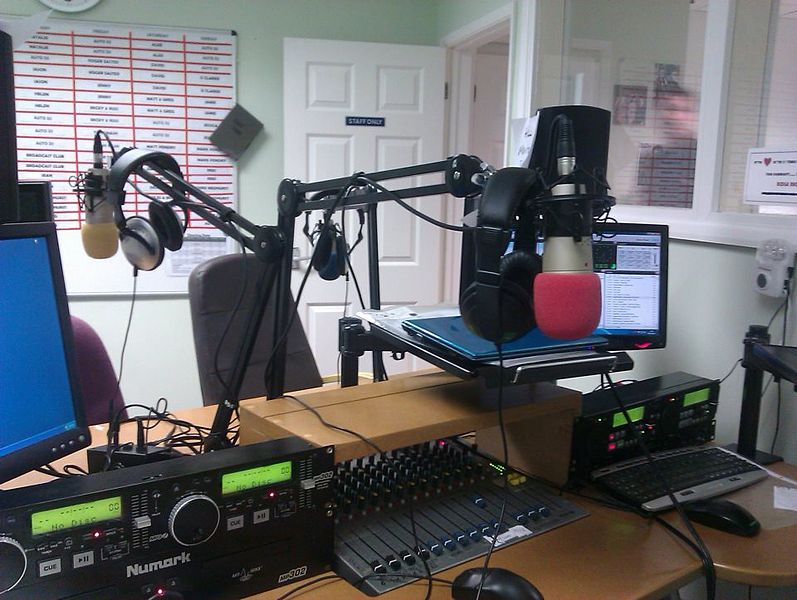
Community radio remains Nepal's most accessible medium for local journalism, especially in remote areas where internet connectivity is limited and newspapers don't reach. But launching a station involves navigating bureaucracy, raising capital, and building a sustainable operation. Here's how.
Licensing: The Nepal Telecommunications Authority issues community radio licenses. Expect a multi-year process including feasibility studies, public hearings, and technical reviews. NPCN maintains a licensing guide and can connect applicants with stations that have successfully navigated the process.
Costs to consider: Equipment package (transmitter, studio gear, antenna) — NPR 2-5 million. Land and tower setup — variable but often NPR 500,000-1 million. Licensing fees — approximately NPR 100,000. Annual operating costs — NPR 1-2 million for staff, electricity, maintenance.
Funding sources: Community members (subscription models not common in Nepal, but donation drives work). Local businesses (advertising, underwriting). International donors (media development organizations offer startup grants). And NPCN's Community Media Fund has small grants for equipment and training.
Programming strategy: Successful community radios serve local information needs — crop prices, weather, health alerts, school closures — not just music and national news. Local-language broadcasting is essential. Partnering with schools, health posts, and agricultural extension offices builds audience trust.
Training needs: Most community radio founders overestimate technical needs and underestimate journalistic training. Reporters need basic skills: interviewing, fact-checking, libel law, digital recording. NPCN offers affordable training programs specifically for community media.
Common mistakes: Not involving the community in governance leads to founder burnout. Not diversifying funding leads to closure when one donor pulls out. Not planning for equipment replacement leads to stations going silent when a transmitter fails.
Success stories: NPCN has helped launch 15 community radio stations since 2018. One in western Nepal broke a major corruption story that led to local official's arrest. Another is now the primary source of weather warnings for farmers in its district.
Community radio isn't easy. But for villages without newspapers or reliable internet, it's the only journalism they'll ever get.