How to Verify Information in the Age of AI-Generated Fake News
Last updated on May 10, 2026
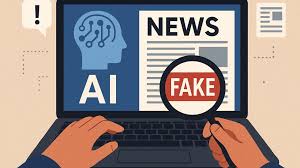
Artificial intelligence has made fake news cheaper and more convincing than ever. AI-generated text, deepfake videos, and synthetic audio can be created in minutes — and spread globally in seconds. For journalists, this means verification is no longer optional; it's existential.
The scale of the problem: In 2025 alone, NPCN's fact-checking desk identified over 150 AI-generated news stories circulating as legitimate. These included fabricated quotes from politicians, fake video of protest violence, and entirely invented crime reports targeting specific communities.
Verification techniques that work: Reverse image search remains essential — even AI-generated images often reuse elements from real photos. Check metadata when available. Compare multiple sources — if a story only appears on fringe websites or AI content farms, be suspicious. Contact original sources directly by phone, not just email (which can also be faked).
Technical tools worth using: AI detection software (like GPTZero, Hive Moderation) can flag AI-generated text, but they're not perfect — use them as one signal among many. Forensic video analysis tools (InVID, WeVerify) help identify manipulated footage.
What NPCN is doing: We've launched a weekly "Misinformation Watch" newsletter. We run verification workshops for member journalists. And we maintain a rapid-response fact-checking service — send us suspicious content, and our team investigates within hours.
For news consumers: Slow down. That shocking video that makes you furious? It might be designed to do exactly that. Check the source. Check the date. Check with a second source. Real journalism is boring sometimes. AI fake news is engineered to provoke.
Journalists have always been truth-seekers. New technology changes the battlefield, not the mission.