Journalist Safety: 10 Essential Security Practices for Reporters in Nepal
Last updated on May 10, 2026
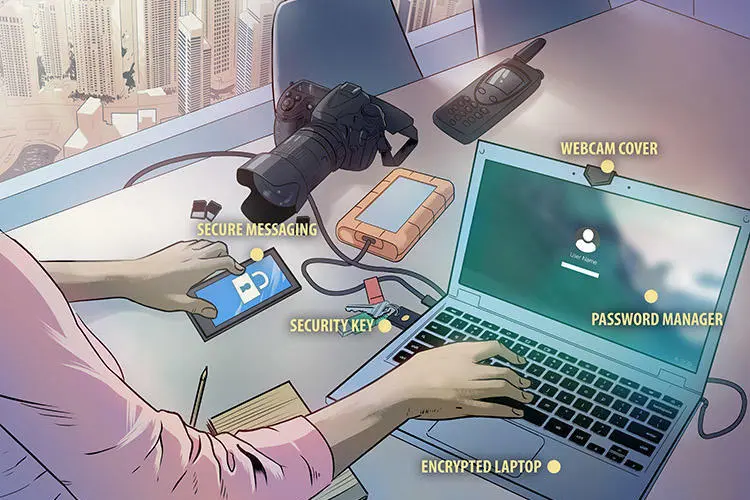
Reporting in Nepal carries unique risks. Political protests sometimes turn violent. Criminal groups targeted by investigative reporting have retaliated. And digital surveillance is increasingly common. Here's what every journalist should know.
Physical security: Always have an exit strategy. When covering protests, identify escape routes before entering crowds. Stay near other journalists — there's safety in numbers. Wear press identification visibly. Keep emergency contact numbers (including NPCN's hotline) saved and accessible without unlocking your phone.
Digital security basics: Use encrypted messaging apps (Signal, WhatsApp with end-to-end encryption verified). Enable two-factor authentication on all email and social media accounts. Never use public Wi-Fi for sensitive communications. Consider a VPN when researching controversial topics. And for the love of democracy, don't use the same password for everything.
Documentation matters: When threatened, document everything — screenshots of threatening messages, photos of intimidating gatherings near your home, recordings of phone calls (where legally permitted). This evidence becomes crucial for legal protection and public advocacy.
What to do if detained: Remain calm. State clearly: "I am a journalist. I have committed no crime." Request to contact NPCN immediately — our legal team has standing arrangements that often expedite release. Do not sign anything without a lawyer present. And remember your rights: the constitution protects press freedom.
NPCN offers quarterly safety workshops covering digital hygiene, physical security, trauma management, and legal rights. Our next session is scheduled for [date]. We also maintain a 24-hour emergency hotline: [phone number].
Journalism isn't a contact sport, but sometimes it feels like one. These practices won't eliminate risk — but they'll reduce it significantly.