Press Freedom Under Threat: A Timeline of Media Crackdowns in Nepal (2015-2025)
Last updated on May 10, 2026
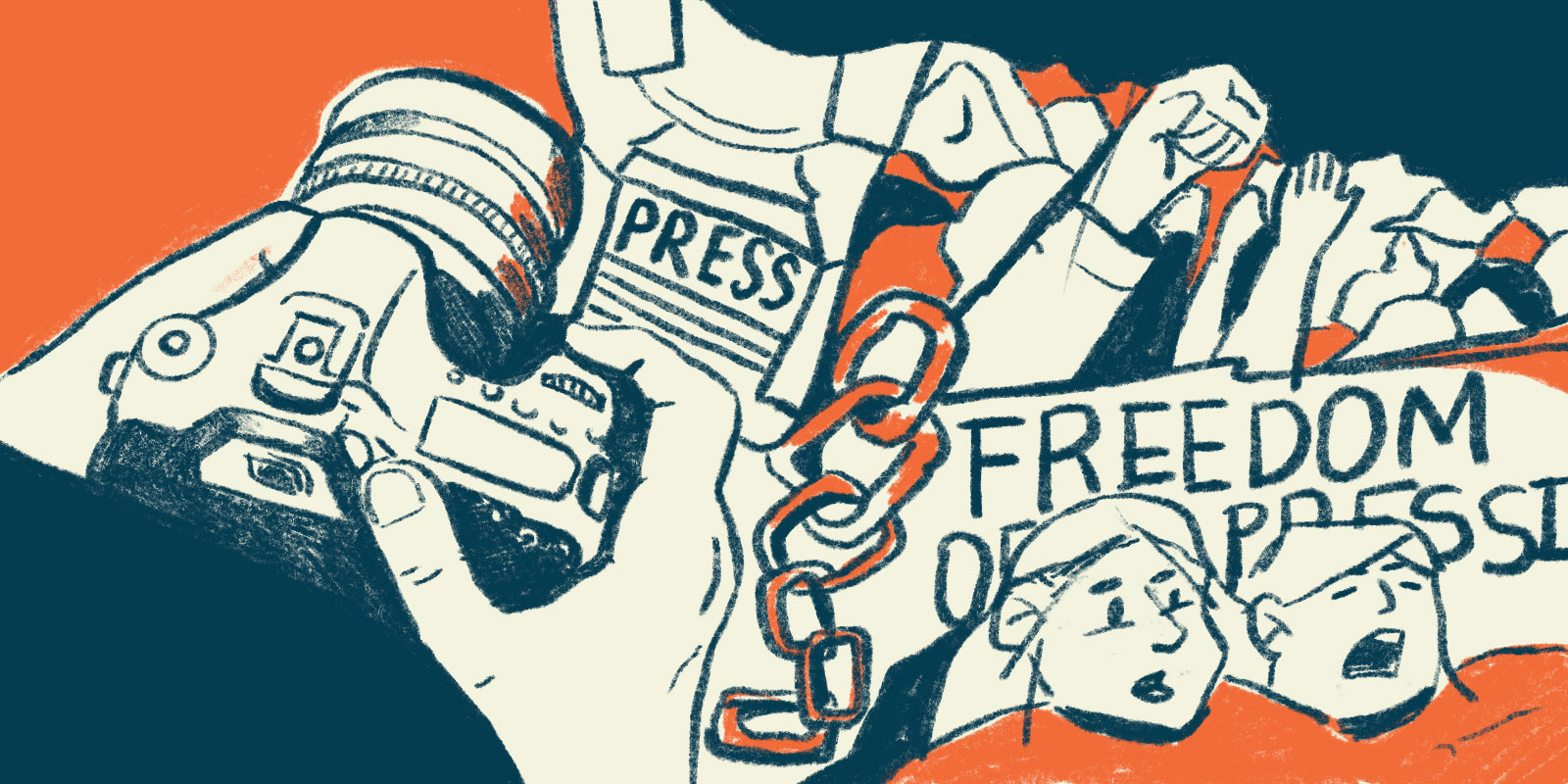
The last decade has tested Nepal's press freedom like never before. From constitutional crises to pandemic restrictions, from digital censorship to physical attacks, journalists have faced relentless pressure. But they've also organized, resisted, and won important victories.
2015-2016: Blockade and backlash — During the Madhes movement, over 50 journalists were attacked while covering protests. Several news outlets were pressured to self-censor. NPCN was founded in response, initially as a WhatsApp group of concerned reporters.
2017-2018: Local elections and local threats — As power decentralized, local strongmen targeted reporters who exposed corruption in infrastructure projects. NPCN documented 35 cases of threats, beatings, or detentions in this period.
2019: Cyber law arrests — Three journalists arrested under cyber crime provisions for reporting on a high-profile corruption case. International press freedom groups issued alerts. After sustained pressure, charges were dropped.
2020-2021: Pandemic censorship — COVID-19 reporting became dangerous. Journalists exposing inadequate hospital capacity or vaccine mismanagement faced police cases. NPCN launched its legal defense fund, supporting 15 journalists in court.
2022-2023: Digital shift and new risks — As news moved online, so did harassment. Doxxing, coordinated trolling, and fake social media accounts became common. NPCN established a digital security unit.
2024: Media ownership consolidation — Several independent outlets acquired by business groups with political ties. Editorial independence threatened. NPCN published guidelines for editorial safeguards during ownership changes.
2025: Resilience and reform — Supreme Court rulings strengthened press protections. Parliament considering media reform bill. NPCN now has 500+ members across all provinces.
This timeline tells two stories: one of assault on press freedom, another of resistance. NPCN exists because journalists refused to be silenced. And we're still here.