Women in Nepali Journalism: Breaking Barriers, Facing Double Standards
Last updated on May 10, 2026
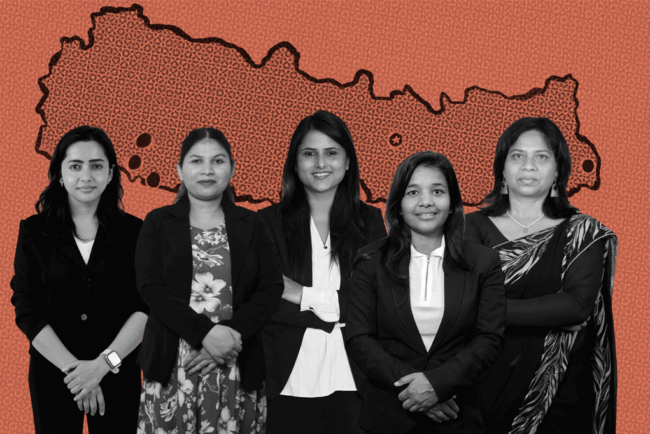
Nepali newsrooms have come a long way regarding gender representation — but not far enough. Women now anchor major news shows, lead investigative teams, and edit national publications. Yet sexual harassment, unequal pay, and underrepresentation in leadership positions remain persistent problems.
The numbers: Women comprise approximately 30% of working journalists in Nepal, according to NPCN's 2025 survey. But only 12% of news director or editor-in-chief positions are held by women. The pay gap persists: women journalists earn 18% less than male colleagues in similar roles, even when controlling for experience and education.
Field reporting risks: Women reporters face unique dangers covering protests, disasters, or political rallies: groping, verbal sexual harassment, and online stalking are common. Many outlets don't provide adequate safety protocols or reporting mechanisms.
The glass ceiling: Women often get assigned "soft" beats (education, lifestyle, culture) while men get "hard" news (politics, crime, economy) — which leads to different career trajectories and promotion opportunities. Women who break into hard news report facing higher scrutiny and more frequent challenges to their expertise.
What NPCN is doing: Our Women in Media initiative offers mentorship programs connecting junior women journalists with senior leaders. We've published a harassment reporting guide and maintain a confidential complaint mechanism. Our annual journalism awards include a category for reporting on gender issues.
What newsrooms can do: Implement clear anti-harassment policies with enforcement mechanisms. Conduct pay equity audits. Create pathways for women to move into investigative and political reporting. Offer flexible schedules for parents. Ensure women are represented on hiring and promotion committees.
Success stories: NPCN's mentorship program has placed 25 women journalists in leadership roles since 2020. Several major news outlets have adopted our recommended anti-harassment protocols. And the conversation has shifted — from "are there enough qualified women?" to "why aren't we promoting them?"
Journalism that doesn't reflect half the population is incomplete journalism. Diversity isn't just fairness — it's better coverage.